
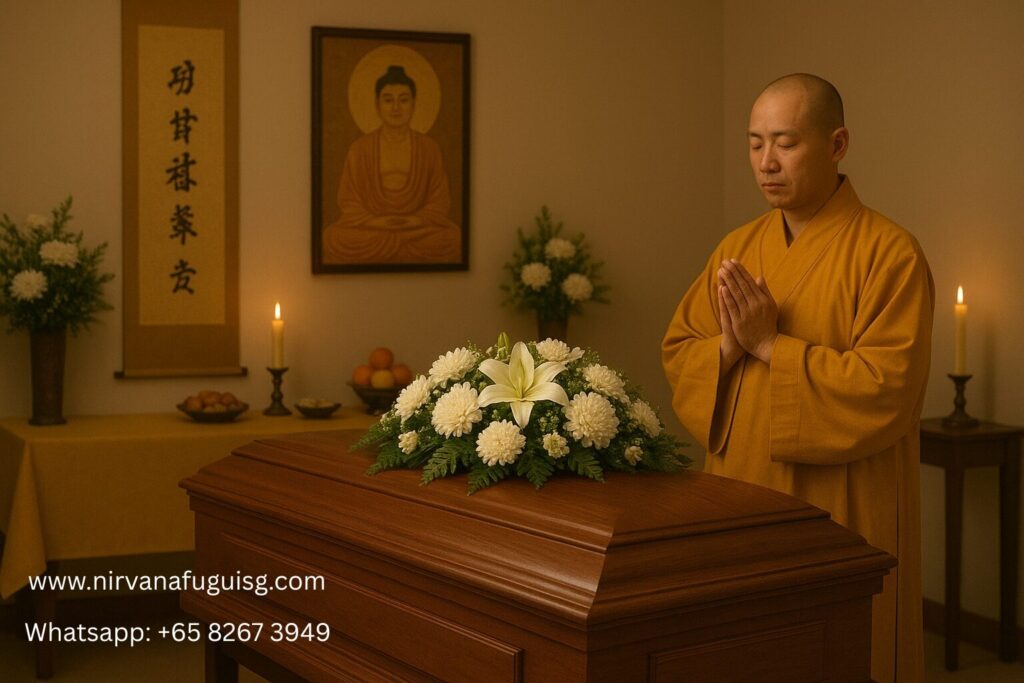
Funeral Planning: General Guide
Planning a funeral hits hard. It’s something most of us don’t want to think about, and when it happens—whether we saw it coming or not—it’s just overwhelming. Grief takes over, and suddenly there’s a mountain of decisions to make. Funerals aren’t just ceremonies; they help us start healing. So, when you’re lost and not sure where to start, here’s a guide to walk you through the essentials.
1. Handle the First Steps
Right after someone passes, you have to deal with a few immediate things. What you do first depends on where your loved one died, but here’s what usually happens: Get a Legal Pronouncement of Death You can’t do much until you have this document. If someone passes at home with hospice, a nurse will handle it. In a hospital, the staff takes care of it. Tell Close Family Start with immediate family. Don’t try to do everything yourself—ask others to help share the calls. It’s a lot to take on alone.
2. Check for Any Final Wishes
Before making big decisions, see if your loved one left instructions. Look for:
(a) A funeral plan
(b) Prepaid arrangements
(c) A will mentioning burial or cremation wishes
(d) Even a conversation with family counts
Plenty of people plan ahead now to spare their family extra stress. If you find anything, do your best to follow it. If not, the next of kin usually decides what happens next.
3. Set a Budget
Funerals can cost a lot—or a little—depending on what you choose. Figure out what you can spend before you get too far. Typical expenses include:
(a) Funeral home fees
(b) Casket or urn
(c) Preparing the body
(d) Venue Religious or cultural rituals
(e) Flowers Obituaries
(f) Transportation Burial plot or columbarium
(g) Food for guests
If money’s tight, talk honestly with the funeral director. They know how to work within a budget and still make the service meaningful.
4. Decide What Kind of Service Feels Right
There’s no one way to do this. The right service depends on your family’s beliefs, traditions, and what just feels right.
(a) Traditional Funeral
This is the classic approach: viewing, formal service, burial.
(b) Cremation
Sometimes followed by a memorial, scattering, or placing ashes in a niche.
(c) Memorial Service
No body present, so it’s more flexible about time and place.
(d) Graveside Service
Simple and direct—just a ceremony at the grave.
(e) Green or Eco-Friendly
Biodegradable materials, no harsh chemicals, less impact on the earth.
5. Find the Right Funeral Home or Director
A good funeral director can make a world of difference. Look for someone who:
(a) Explains costs clearly
(b) Respects your traditions
(c) Has the facilities you need
(d) Comes recommended
(e) Listens if you want something personal
The right person acts like a conductor, making sure everything and everyone comes together smoothly.
6. Tackle the Paperwork
You’ll need to gather a few key documents:
(a) Death certificate
(b) Burial or cremation permits
(c) Insurance forms
(d) IDs
(e) Transportation authorizations
Don’t stress—funeral homes take care of lots of the paperwork, and they’re used to walking families through what’s needed. It’s never easy, but these steps help bring order to a tough time. Take it slow, lean on others, and remember it’s okay to ask for help.
7. Plan the Ceremony Details
This is where the funeral really becomes personal. It’s your chance to weave in the little things that made your loved one unique—their personality, what they stood for, the stories that defined them.
(a) Venue
You’ve got options here. Some people go with a funeral home, others choose a church, a family house, or even outdoors somewhere that meant something to the person.
(b) Officiant
Who leads the ceremony matters. It can be a religious leader, a celebrant, or even someone from the family who feels up to the task.
(c) Eulogies and Readings
Invite friends and family to share memories, tell stories, or read poems. Honest words from the heart—those touches mean a lot.
(d) Music
Pick songs that mattered. Maybe it’s a favorite hymn, a classic tune they loved, or something instrumental that sets the right mood.
(e) Décor and Flowers
Flowers bring comfort and beauty. Think about colors or types that had special meaning, or just pick what feels right for the day.
(f) Photo or Video Tribute
A photo slideshow or video montage helps everyone remember the good times and celebrate a life well-lived.
8. Decide on Burial or Cremation
This choice carries a lot of weight—culturally and emotionally. Think about what your loved one wanted, and what fits the family’s needs. Burial You’ll need a burial plot, maybe a headstone or marker. It gives people a place to visit and remember. Cremation Usually costs less and lets you be flexible with timing. You can keep the ashes, scatter them somewhere special, or place them in a columbarium. Whatever you decide, let it reflect the person’s wishes and the family’s needs.
9. Write and Share the Obituary
An obituary isn’t just an announcement—it’s a way to honor someone’s story. Include their name, age, where they lived, the date they passed, what they accomplished, and the funeral details. If there’s a preferred way to send flowers or donations, mention that too. Get the word out through local papers, social media, and any community groups they cared about.
10. Support the Family
A funeral isn’t the end of grieving—it’s just one step. The family will need support long after the ceremony. Offer help with counseling, connect them with support groups, keep in touch, and check in with them at gatherings or just because. Grief doesn’t run on a schedule, and kindness is always needed.
Conclusion
Putting together a funeral is tough. It’s emotional, and the choices can feel overwhelming. But with thoughtful planning, open conversations, and some help—from both pros and family—you can create a service that truly honors your loved one. A well-organized funeral isn’t just about the ceremony itself; it brings comfort, helps people say goodbye, and opens the door to healing.